Wireless Earbuds Wholesale: Why the Sample Passes but the Bulk Order Fails?
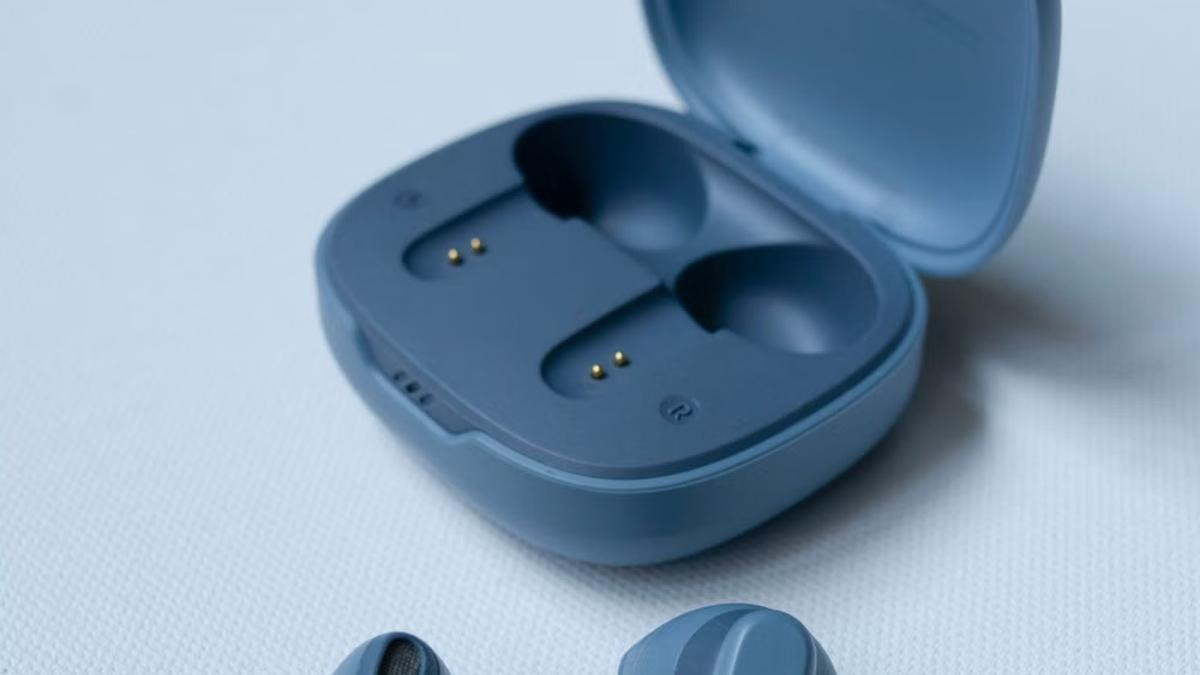
Wireless earbuds are an easy product to add to an export catalogue. They are small, familiar to consumers, suitable for private labels, and sold through retailers, gift channels, online stores, and consumer-electronics distributors. The demand is broad, but so is the competition. A buyer can find a similar-looking case and a lower quotation within minutes.
The difficult part starts after the sample looks good.
A buyer may pair one sample, listen to a few songs, and decide that the product is ready for a launch. After the bulk order reaches customers, the complaints can be very different: one side will not charge, the case loses power too quickly, the microphone is poor during calls, or the earbuds will not reconnect after being returned to the case. Replacements, return freight, marketplace reviews, and damage to a private label can remove the profit from a low unit price.
A sample is not a production run
A sample is a useful reference, but it does not prove that every unit in a large order will behave in the same way. It may receive extra assembly attention or a longer functional check. The practical answer is to turn the approved sample into a clear production reference, often called a golden sample.
Before production, the buyer and supplier should agree on the shell finish, colour, charging case, cable, firmware, packaging, and functions that will be tested. A change to the battery, Bluetooth platform, acoustic components, or software should not appear without approval. These details sound small until a private-label seller receives cartons that no longer match the product photos or listing description.
Testing should resemble ordinary use. Pairing a fresh unit once is not enough. Check reconnection after the earbuds return to the case, independent use of each side, microphone performance in a real call, charging behaviour, touch controls, and the condition under which playback time is measured. A product can sound impressive for ten minutes and still create service tickets after a week.
The cheapest quote may carry the highest return cost
TWS earbuds are often described with the same feature words: Bluetooth version, noise cancellation, touch control, battery capacity, and water resistance. Those labels do not show whether a supplier can keep the approved configuration stable across a bulk order.
The better commercial questions are less visible. Has this exact configuration been produced at volume? How is the production batch identified? Which functions are tested before packing? How are failed units separated? What happens if a component becomes unavailable? A supplier does not need to reveal every factory process, but vague answers make two quotations difficult to compare.
For an online seller, a small unit-cost difference can be insignificant beside a high return rate. Customers usually do not separate the brand owner, importer, marketplace seller, and factory when a product fails. The business whose name is on the box receives the complaint.
Battery logistics should be checked before the launch date
Wireless earbuds and their charging cases contain lithium batteries. That makes transport planning part of the product decision. Airlines, freight forwarders, courier services, customs agents, and marketplaces may ask for battery information, test summaries, transport documents, carton details, or specific markings. The exact requirements depend on the battery configuration, destination, and shipping route.
An exporter should verify the current requirements with the selected forwarder and destination-side partner before promising a delivery date. A document from an older model, a file belonging to another supplier, or a general statement that the product is "battery safe" does not settle what a particular shipment needs. The product, battery data, packaging, and route must describe the same goods.
Compliance documents must match the exact SKU
Wireless products may face radio, electrical-safety, environmental, labelling, and import requirements in the destination market. Many exporters target the United States, the European Union, the United Kingdom, the Middle East, or Southeast Asia, but those markets do not share one compliance and fulfilment rulebook. A certificate for a visually similar earbud does not automatically cover the final product.
The relevant documents should correspond to the model, radio components, charging arrangement, accessories, and material changes in the delivered configuration. A buyer selling under its own brand also needs to understand responsibility for packaging marks, product information, local registration, and post-sale records.
Precision matters here. A generic certification promise may help start a conversation, but a mismatched document can delay a shipment or create a marketplace compliance problem. The target market and exact SKU should be confirmed before packaging artwork and production are locked.
Packaging can create a return even when the hardware works
Customers experience the product through unboxing and setup. If the manual does not explain pairing reset, charging indicators, call controls, or realistic water-resistance limits, a normal setup problem can look like a defect.
The product name, model, colour, barcode, included accessories, languages, and warranty contact should match what is actually shipped. A seller inherits avoidable customer-service work when the listing promises a cable that is missing or the carton contains a different colour from the product page.
A bulk order needs one written reference
Before a wireless-earbuds order enters production, the buyer and supplier should be able to look at one approval record and see the same product: approved sample, firmware, functions, colour, accessories, packaging artwork, carton marks, inspection expectations, and the plan for defective or spare units. Pre-shipment inspection does not replace factory quality control, but it can confirm that the agreed version reached bulk production.
That is the real export challenge behind wireless earbuds wholesale. It is not only a search for a fashionable shell or a lower quotation. It tests whether a seller can turn a sample into a repeatable product, move it through the correct logistics channel, explain it clearly, and support the customer when something goes wrong.
The exporters who understand these details tend to attract more useful inquiries. A visitor who wants only the lowest price may leave quickly. A brand owner or distributor who needs stable stock, fewer returns, and a product that can survive retail has a reason to keep reading.
wireless earbuds wholesale
TWS earbuds manufacturer
private label earbuds
wireless earbuds bulk orde