Water Filling Machine Price: What Does a Complete Bottled Water Line Cost?
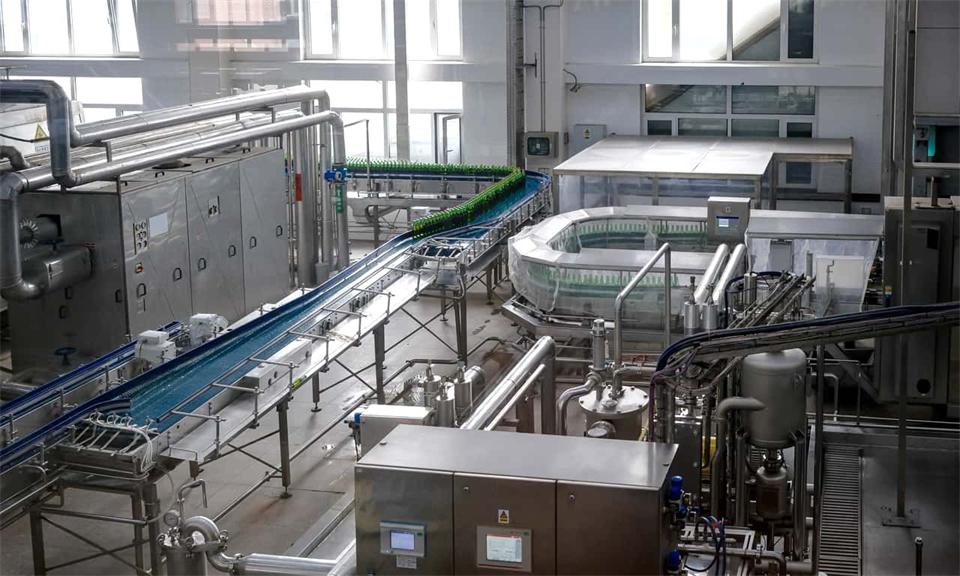
A water filling machine quotation can look complete at first glance. It may mention automatic operation, stainless steel construction, 3-in-1 rinsing, filling and capping, and a capacity such as 3,000 or 6,000 bottles per hour. Two suppliers can use the same words and still offer very different systems.
There is no single price for a complete bottled water line. The final cost depends on whether the quotation includes water treatment, bottle blowing, filling, labelling, packing, installation and commissioning. One supplier may quote only the rinsing, filling and capping machine, while another may include nearly everything from raw water to finished cartons.
For an exporter, this is the real difficulty behind water filling machine price discussions. The buyer is not purchasing a single cabinet. They need a line that works with a particular water source, bottle, power supply and sales market.
BPH does not tell the whole output story
Bottle-per-hour figures are useful, but they need a condition attached to them. A stated capacity may be measured with one bottle size, stable utilities and continuous running in a test environment. Practical output can be lower after changeovers, cleaning, cap feeding, label adjustment and short stops.
Bottle volume matters too. A line designed around a 500 ml PET bottle may need different timing and handling from one filling 1.5 litre bottles. The number of filling valves, filling method, cap type and bottle shape all affect the result.
Before comparing two capacities, a buyer should ask what the number means. Which bottle was tested? Does the figure include normal stoppages? Is it for the filler only or for the whole line? What output can the equipment maintain after installation?
A smaller line with a realistic operating target can be more useful than a faster machine that cannot maintain its advertised speed in the buyer’s factory.
The water source may change the equipment list
The filler is only one part of a bottled-water project. Raw water quality determines whether the line needs sand filtration, carbon filtration, softening, reverse osmosis, ultraviolet treatment, ozone or another combination.
The correct arrangement depends on the source and on the type of water the buyer plans to sell. An exporter should ask for a recent water analysis before recommending a treatment system. Total dissolved solids, hardness, iron, suspended particles and microbiological conditions can all affect the design.
A configuration for treated municipal water may not suit a borehole in another region. Buyers in Africa, the Middle East, Southeast Asia and Latin America may face different water conditions, temperatures and maintenance resources.
The useful question is not simply “How many bottles can the machine fill?” It is “What water enters the line, and what quality must leave it?”
A complete line needs a clear boundary
A typical project can involve a water-treatment system, PET bottle blowing machine, air compressor, bottle rinser, filler, capper, labeller, date coder, shrink wrapper, conveyors and a finished-product packing area.
Some customers need only a filling monoblock because they already buy bottles and handle packing separately. Others need a turnkey line from preform to pallet.
The quotation should show where the supplier’s responsibility starts and ends. Is bottle blowing included? Are moulds, labelling, coding, conveyors, water tanks, pumps, the electrical cabinet and installation materials included? Are the compressor and air dryer sized for the whole line?
Terms such as EXW, FOB and CIF also change the apparent price. Site unloading, local wiring, civil work, drainage, compressed air, water pipes and commissioning may sit outside the equipment quotation.
A low factory price is not necessarily a low project cost when important items appear only after the shipment arrives.
Bottles, caps and labels can stop a good machine
Filling equipment is designed around physical details, not only around the name of the product. Bottle height, diameter, neck finish, preform weight, cap dimensions and label material affect feeding, gripping, filling and capping.
A bottle that looks similar in a photograph may not run correctly on the same star wheel or mould. Samples should be tested before the final configuration is approved, using the buyer’s actual bottle, cap and label whenever possible.
Several bottle sizes require change parts and extra adjustment time. That should be reflected in both the budget and the production plan. If the customer expects to change formats frequently, the line should be designed for those changes from the beginning.
The destination market changes the specification
Export equipment has to work with the destination plant, not with a generic showroom. Voltage and frequency, plug standards, language, local electrical rules, hygiene requirements and available technicians all affect the final specification.
A machine configured for one power system may require changes before it can be installed safely in another country. The buyer should confirm which documents are needed and which parts of the line they cover.
A general certification promise is less useful than documentation matched to the actual model, electrical configuration and supplied accessories. Manuals, wiring diagrams and spare-parts lists should be prepared in a form the local team can use.
Service and spare parts are part of the price
Water filling lines operate as production equipment. A failure in a sensor, solenoid valve, pump, capper component or conveyor motor can stop more than one process.
The quotation should explain the recommended spare-parts package, remote troubleshooting, installation support and operator training. The buyer should know who handles commissioning, how acceptance is measured and what happens if the line misses the agreed operating target.
A video call can help solve a setting problem, but it cannot replace a missing part or an unclear wiring diagram. A short production stoppage may cost more than the saving made on the original machine price.
Better product content creates better inquiries
For an exporter, a page built around the phrase “water filling machine price” should not stop at a number. It should explain the assumptions behind the price and invite the buyer to provide the details that change the system:
Water source and treatment requirement
Bottle sizes and neck types
Target capacity
Type of water being produced
Destination power supply
Required line scope
Installation and commissioning expectations
That approach helps a buyer compare quotations fairly and gives a sales team a more useful inquiry than “Please send your best price.” It also makes the product easier for search engines and AI answer systems to understand because the page answers the questions buyers ask before placing a deposit.
The right water filling machine price is not the lowest figure on a list. It is the cost of a line whose capacity, treatment, bottle handling, documents, delivery scope and after-sales support are clear enough to work in the real factory.
When those assumptions are visible, the exporter can protect the margin and the buyer can make a decision without discovering missing equipment after shipment.
water filling machine price
water bottling plant for sale
bottled water production line
water filling machine manufacturer