Plastic Recycling Machine Price: Can a Cheap Line Really Make Good Pellets?
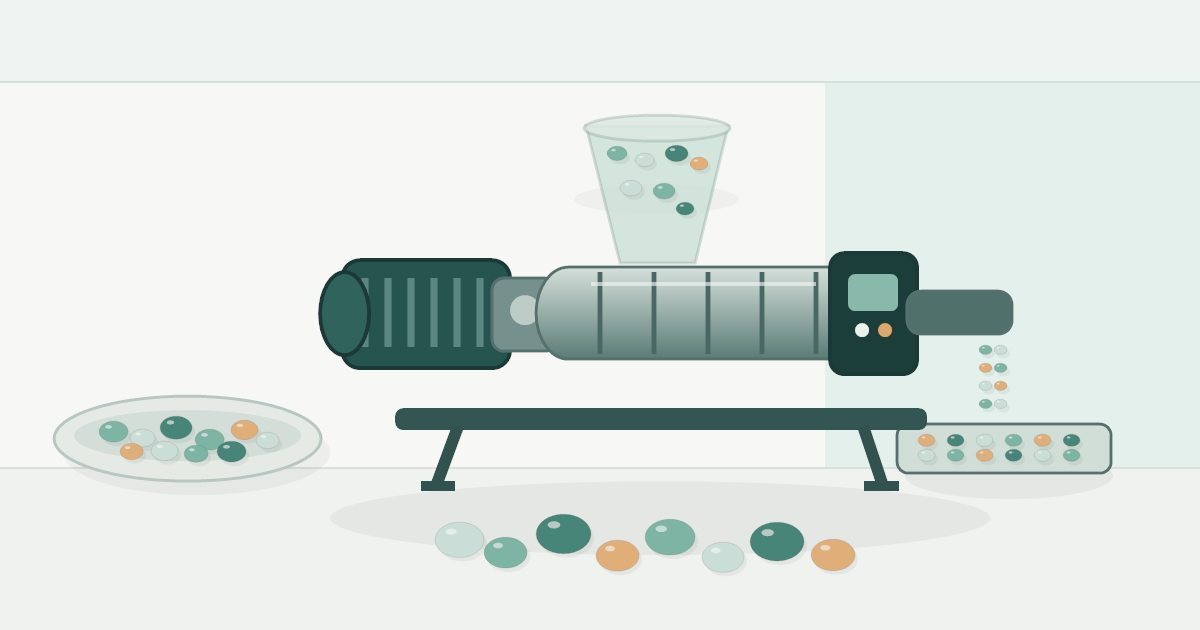
A plastic recycling machine can look like a straightforward purchase. Choose a capacity, compare several factory prices and select the lowest quotation. That approach often changes after the first real batch of waste enters the line.
A machine that handles clean PP production scrap may struggle with wet film, mixed plastics or printed packaging. So can a cheap line really make good pellets? Yes, if the raw material is clean and the equipment is configured for it. No, if the quotation hides the washing, drying, filtration and quality-control work needed before the pellets can be sold.
For overseas buyers, the useful comparison is not the machine price by itself. It is the relationship between the feedstock, the finished pellet and the complete line required to produce it consistently.
What material will the line process?
The first question should be more specific than “How many kilograms per hour do you need?” A supplier needs to know whether the material is PP, PE, HDPE, LDPE, PET or a mixture, and whether it comes from clean factory scrap, used film, woven bags, bottles or post-consumer packaging.
Clean industrial scrap is usually easier to recycle because the polymer and contamination level are stable. Used film may contain soil and moisture, while post-consumer packaging can include labels, food residue and different polymers. PET bottle projects also need a different preparation process from PP or PE film. The feedstock determines the process, and the process determines much of the investment.
Why can two recycling machine prices be so different?
One supplier may quote only a plastic pelletizing machine. Another may include a crusher, washing tank, friction washer, dewatering unit, hot-air dryer, extruder, screen changer, pelletizer and packing system. Both companies may describe their offer as a “plastic recycling line,” even though the scope is completely different.
The difference is not automatically a sign that the higher quotation is unreasonable. It may reflect a stronger extruder, better filtration, moisture removal or equipment designed for dirty material. A long equipment list does not guarantee a good result either; the buyer still needs to know which parts are essential for the actual waste stream.
This is why a useful quotation should show the process flow, the included machines, the expected output condition and the items that remain outside the price. Freight, installation, electrical work, spare screens and local compliance documents can change the project cost after the equipment leaves the factory.
Does the advertised output equal the output you can sell?
A listing may show 300, 500 or 1,000 kilograms per hour. That number is normally a reference under specific conditions, not a guarantee for every material. Moisture, contamination, melt temperature, screen changes, material density and operator settings can all reduce actual production.
There is also a difference between kilograms entering the extruder and kilograms of usable pellets leaving the line. Dirt, labels, water and rejected material reduce saleable yield. A line with a high headline capacity may produce less valuable material if filtration and drying are unsuitable.
Serious buyers should ask the supplier to test representative material, or at least provide a clear basis for the capacity claim. The test should identify the raw material, moisture level, contamination, operating hours and quality of the final pellets. A sample made from clean factory scrap cannot prove that the same machine will handle wet mixed waste.
What actually affects pellet quality?
The extruder is important, but it is not the only part that controls the result. A stable temperature system helps avoid overheating and degradation. A suitable screen changer removes contamination before it reaches the die. Venting and degassing matter when the material contains moisture or trapped air. The pelletizer and cooling system affect shape, size and consistency.
Buyers may need to track moisture, color, odor, density and melt flow index, depending on the intended use. Pellets for bags, pipes and injection-molded parts can have different requirements. “Good quality” has to be connected to the next manufacturing process; it is not just a clean-looking pellet in a sample bag.
What should exporters prepare for overseas buyers?
A recycling line is installed into a real factory, not displayed in a catalogue. Buyers need to check voltage, frequency, plant layout, water use, cooling requirements, noise, shipping dimensions and local safety expectations before placing an order. A line that works well in one country may need electrical or process adjustments in another.
Spare parts and technical support are equally important. Heating elements, knives, screens, bearings, seals and control components may eventually need replacement. Clear manuals, wiring diagrams, commissioning guidance and a sensible spare-parts package can reduce the risk of a long shutdown. This often matters more than a small difference in the initial machine price.
Buyers in Southeast Asia may focus on easy maintenance in humid conditions, while projects in the Middle East may pay closer attention to cooling, dust and power supply. European buyers often request more detailed documentation and conformity paperwork. These differences show why a general quotation is rarely enough for an export project.
Is the cheapest plastic recycling line the best choice?
Only when it matches the material and the business model. A small line for clean factory scrap can be a sensible way to start. A post-consumer film project may need washing, drying and stronger filtration before the extruder can produce consistent pellets. A buyer planning to sell recycled resin to demanding manufacturers may need better process control than a buyer using the pellets internally.
The practical question is not “Which supplier offers the lowest plastic recycling machine price?” It is “Which configuration can turn our actual waste into a repeatable product at a cost we can defend?” Once that question is answered, the quotation becomes easier to compare and the risk of buying an incomplete line becomes much lower.
plastic recycling machine price
plastic recycling machine manufacturer
plastic pelletizing machine
PP PE plastic recycling line