Heat Press Machine Wholesale: What Overseas Dealers Actually Want to Stock?
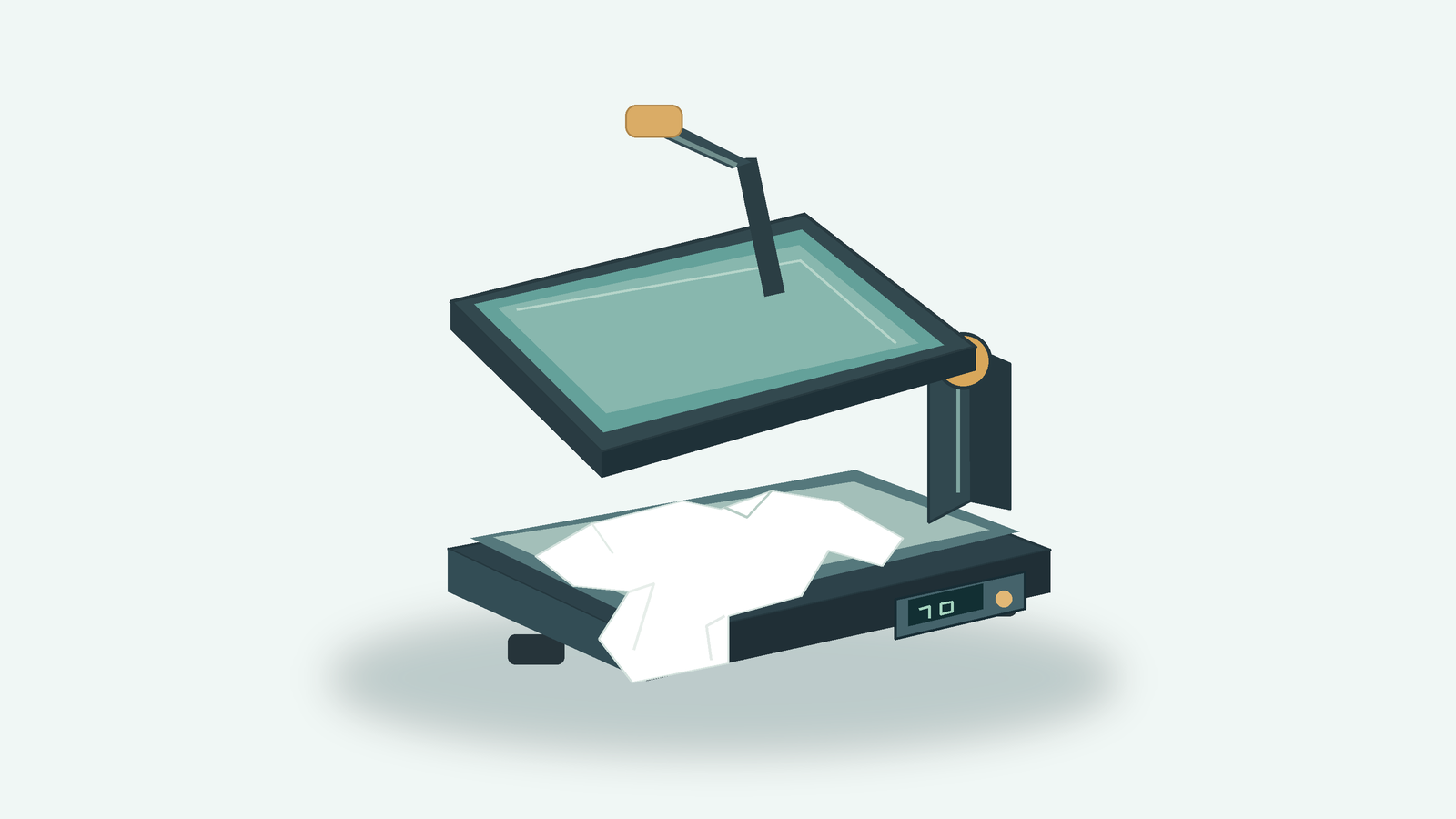
A distributor does not need every heat press in your catalogue. They need a range they can explain, sell and support.
That changes the conversation for an exporter. Instead of opening with a long list of models, ask who will buy the machines: a first-time T-shirt business, a busy print shop, a promotional-products supplier or an established garment decorator. Each gives the dealer a different reason to stock your equipment.
For manufacturers pursuing heat press machine wholesale orders, a clear product range can be more persuasive than another discount.
The starter machine earns its place
A compact manual press can give a dealer an accessible entry product. Buyers may want to produce small batches of shirts or try a new transfer process without committing to an automated setup.
But an entry price should not hide the information that determines whether the machine works for them. State the usable platen size, electrical requirements, opening clearance and pressure adjustment. Explain whether the quoted package includes the accessories shown in the photographs.
A 15 x 15-inch press and a 16 x 20-inch press are not interchangeable for every design. The dealer needs to understand which transfer sizes fit comfortably, rather than discovering the limitation after a customer places an order.
A production model needs a production argument
A print shop evaluating an auto-open or dual-station press is paying for a different workflow. The useful question is how loading, pressing and unloading fit together during a shift.
Dual stations can allow preparation at one position while another is pressing, but actual output depends on the operator, transfer instructions, garment handling and machine design. A pneumatic model may also require a suitable air supply that is not included in the machine price.
Show the complete working cycle. A short demonstration with the product and operating conditions identified gives a distributor more to explain than an unsupported promise of hundreds of shirts per hour.
Specialist presses should follow real demand
Cap and mug presses can expand a dealer's range, provided the customers actually produce those items. They should not be added to every order simply because a bundle looks more impressive.
For caps, the shape of the working surface and the way the cap is held affect usability. For mugs, buyers need the supported dimensions and the requirements of the transfer process and coated blank.
A multi-function machine also needs a practical explanation of attachment changes and limitations. It may suit occasional jobs; a dedicated machine may be more convenient for repeated production. Let the dealer choose according to customer workload.
Localise the range before offering it abroad
The United States, the United Kingdom, Germany and Australia are destinations an exporter could assess. This is not a ranking of the largest heat press import markets.
In each destination, confirm the appropriate voltage, frequency, current rating, plug and applicable product requirements. A label saying 110V or 220V does not answer every installation question. Instructions and warnings should also be usable by the local operator.
Market research should include competing retail prices, dealer margins, available repair support and freight. A machine that is attractive at the factory gate may be difficult to sell after those costs are added.
The reorder starts with service
Dealers need to know what happens when a controller, sensor or heating component develops a fault. Provide an illustrated parts list, clear warranty terms and a route for technical diagnosis.
Identify which repairs require qualified service personnel. A video should not encourage an inexperienced customer to work on live electrical equipment.
Useful support documents make the dealer's business easier to run. They also distinguish a supplier offering an ongoing relationship from one offering only a shipment.
Make the range easy to find and compare
A manufacturer's website should reflect these buying decisions. Separate flat presses, cap presses and mug presses, then explain manual, auto-open and pneumatic options where they apply.
A comparison page can help a visitor choose a working size. A dealer page can explain order quantities, branding options, documentation and service arrangements. These pages give Google specific content to discover and buyers concrete information to assess.
Track whether the website brings relevant distributor inquiries as well as visits. An overseas dealer asking about model combinations and parts support may be a more useful opportunity than a large number of unrelated clicks.
An effective export range does not have to be enormous. It needs an understandable entry model, a convincing production option and specialist machines backed by actual customer demand.
heat press machine wholesale
heat press machine manufacturer
heat press machine for t shirts
16x20 heat press