Handheld Laser Welder Price: What Helps Exporters Win Dealer Orders?
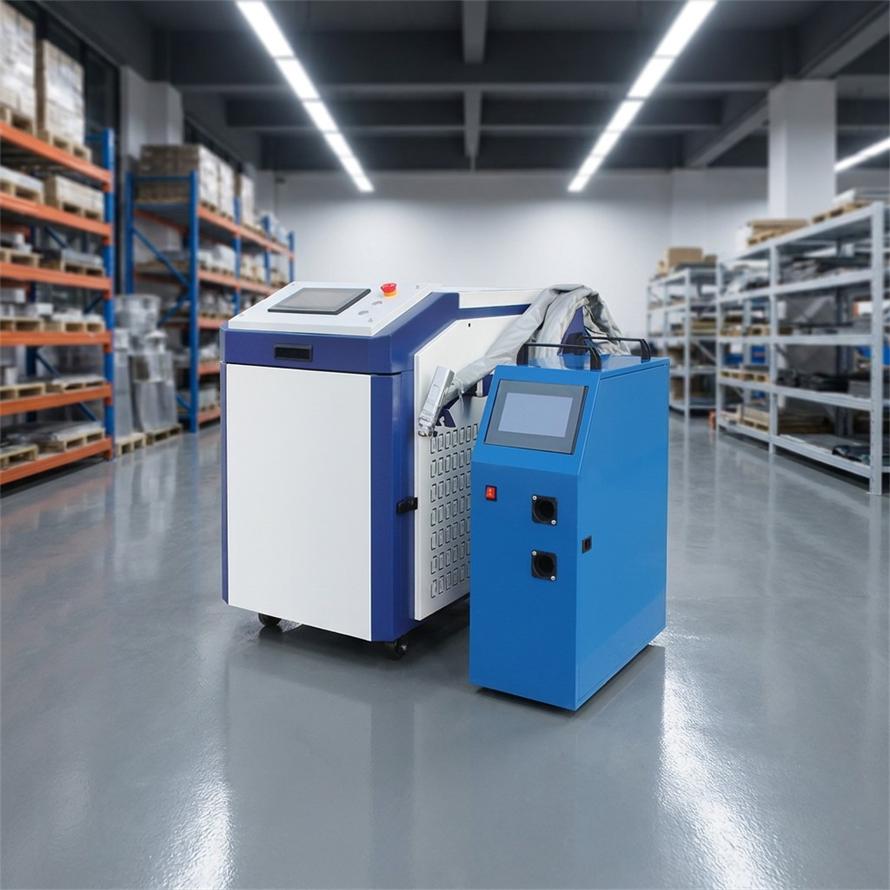
The price enquiry lands in your inbox: “Please quote a 2,000W handheld laser welder.”
It sounds straightforward. But the buyer could be a metal workshop purchasing one machine, a tool distributor testing a new range, or a dealer comparing factories before placing a stock order. Sending all three the same price sheet leaves the most important part of the conversation untouched: how will this machine earn its place in the buyer's business?
For manufacturers selling through overseas dealers, that question should shape the offer.
A dealer needs something worth demonstrating
A short video of a neat weld attracts attention. A dealer needs enough detail to repeat the result with a local customer.
Build demonstrations around identifiable jobs: stainless-steel cabinets, sheet-metal enclosures or suitable fabrication work. Record the material grade, thickness, joint design, preparation, filler wire and operating conditions. Include setup and finishing time when comparing a laser process with the workshop's existing method.
This gives the dealer a useful sales conversation. Instead of repeating a claim about welding speed, they can discuss whether the machine fits a customer's actual work. Any productivity claim should come from a comparison using equivalent jobs and acceptance criteria.
Offer sample testing around the prospect's material and joint. A clear sample report can do more for a serious enquiry than another page of machine photographs.
The advertised price leaves questions open
Two machines labelled “2,000W” may include different laser sources, welding heads, cooling systems and wire feeders. Accessories, installation support and warranty coverage can differ as well.
Put the exact configuration beside the price. Specify the power supply requirements, cooling arrangement, torch cable length, included consumables and optional equipment. If a listing price covers a deposit or a basic configuration, identify that before the buyer uses it as a comparison.
Air-cooled and water-cooled machines also need separate explanations. Give operating limits and maintenance requirements for the actual model. The distributor needs to know what can be demonstrated and supported in its local environment.
The second order depends on local support
Before offering territory exclusivity, ask how the distributor will demonstrate the equipment, train customers and handle service. A dealer with workshop contacts and technical staff offers a different route to market from a reseller collecting product enquiries.
Agree on a starter stock of compatible consumables, a parts identification system and a process for diagnosing faults. Spell out labour, component and shipping responsibilities in the warranty agreement. These details influence how confidently a dealer can sell the next machine.
Laser safety belongs in that discussion. Supply model-specific safety documentation and training requirements, including the controlled work area, suitable barriers, fume extraction and wavelength-appropriate eye protection. A conventional welding helmet alone is not a complete laser-safety arrangement. The installation needs a competent assessment against local requirements.
Let the website answer the next email
An English product page can bring the commercial offer together: configuration, application examples, sample-testing procedure, packing dimensions and support terms. Give distributor enquiries a clear contact route and ask for the destination, customer industries and service capability.
Price brings the buyer into the conversation. A repeatable demonstration and a credible support plan give an overseas dealer a reason to keep it going.
handheld laser welder price
handheld laser welder for sale
handheld laser welder reviews
handheld laser welder and cutter