GEO for Exporters: Will AI Recommend Your Business?
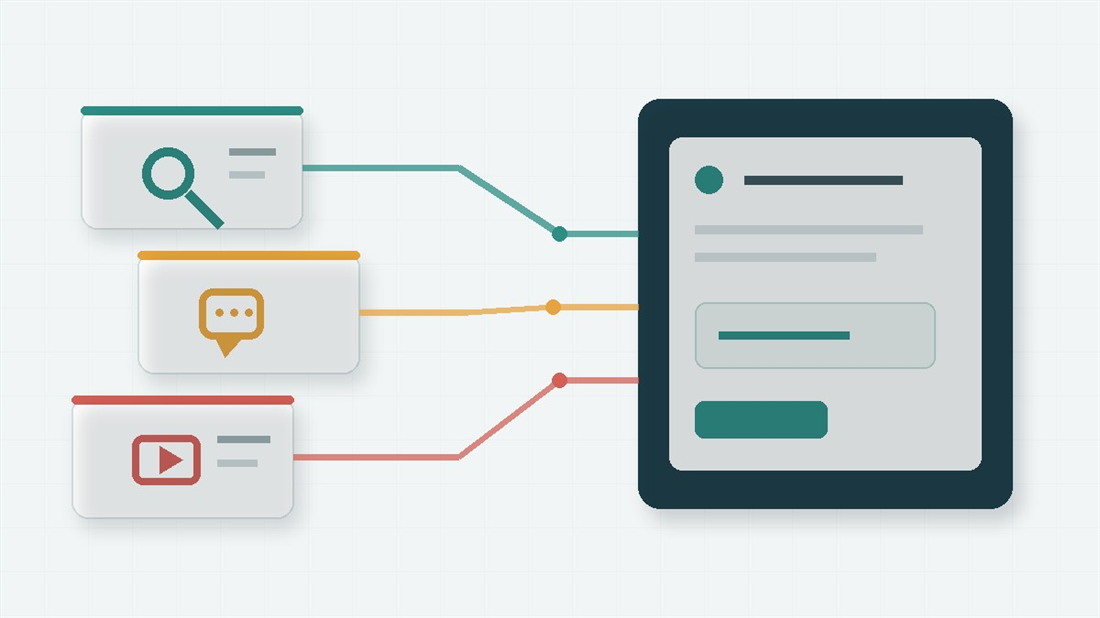
An overseas buyer asks an AI search tool which Chinese suppliers are worth contacting for a product. Your company appears in the answer, but the buyer cannot quickly tell what the factory makes and moves to the next name.
The visit may look encouraging in analytics. It produces nothing in the sales inbox.
That is the part of GEO, or generative engine optimization, that matters to exporters. An AI mention can put a company on a shortlist, but it does not complete the supplier check. The buyer still needs to verify the product, the claims and whether a conversation is worthwhile.GEO should help with that work. It is not a new set of phrases to scatter across a website.
A recommendation is only an opening
An AI answer can shorten research, but it is not a factory audit or a quotation comparison. Before sending an inquiry, a purchasing manager may still check capacity, standards, lead time, spare parts and support. A website with only general promises is easy to dismiss.
“Leading manufacturer” and “competitive price” do not answer the questions behind a purchase. They do not show whether the business is a manufacturer, trading company or distributor, which products are made in-house, or where the supplier has useful experience.
The useful GEO question is therefore simple: after an AI mentions the company, can the page support that mention? A clear answer improves the website and filters future inquiries before they reach the sales team.
Make the company and product easy to identify
Many export websites leave basic facts unclear. The About page calls the business a manufacturer, while the product pages present unrelated goods. The homepage promises “industrial solutions,” but never explains what is produced, what is outsourced or which applications the company handles.
Buyers and AI systems face the same problem: there is not enough reliable context to form a picture of the business.State the essentials in ordinary language: product categories, the company's role in production and the kind of cooperation available. If the factory is strongest at custom projects, small batches or private-label orders, say so where it helps a buyer decide. State certificate scope rather than displaying a general badge.
Product names need the same care. A branded series can appear on the page, but it should sit beside the industry term a buyer searches for. “Smart Pro Series” is not a substitute for “automatic carton sealing machine.” One accurate name is more useful than repeated keywords.
The page behind the AI answer has to do real work
Suppose an AI tool describes a supplier as suitable for food-processing lines. The link opens a homepage with a large banner and a long menu, but no information about food-contact materials, washdown conditions or output. The buyer has to begin the research again.
The destination page should continue the question that brought the visitor there. An application page can explain the working environment and selection limits; a product page can show matching models, options and documentation. A comparison page can show whether a standard configuration is enough.
Useful evidence depends on the industry, but it is normally practical: material compatibility, capacity, voltage, working temperature, installation space, lead time and spare-parts arrangements. Numbers need conditions. A test result should state the material and operating conditions; a certification statement should identify the covered model and market.
Limits belong on the page too. A machine may not suit a certain material, performance may change in a hot workshop, or an option may extend delivery time. This does not weaken the page. It helps a serious buyer decide faster and prevents avoidable questions later.
The same applies to service. “Fast support” is too vague to assess. Explain which components are normally available, whether installation guidance is provided and how a customer reports a fault. Those are details a buyer can check and an AI system can summarize without guessing.
Let the website follow the buyer's research
Product research rarely ends with one page. Someone reading an application guide may want to compare models or check maintenance before asking for a price.
Make the next steps visible. Link an application article to a relevant product range, a comparison page to the models under discussion, and maintenance content to service or spare-parts information. The link text should explain what the reader will find, rather than repeat “Learn More.”
This is not about increasing page views. It keeps the buyer's research connected. When company, application and product pages use consistent facts and product names, an AI tool is less likely to confuse a distributor with a factory, merge two models or quote a feature without its limitation.
The inquiry form should continue the same path. A visitor arriving from a product page should not face an empty “Contact Us” form. Ask for model, quantity, destination country, application and expected purchase time. For a custom project, dimensions, material, output or a drawing may be more useful.
Do not turn the first contact into a procurement questionnaire. A buyer who is still comparing options may prefer a specification sheet, model comparison or application checklist. That keeps the conversation open until the buyer is ready to discuss price and delivery.
GEO still needs a sound website
There is no special GEO phrase that can repair a page Google cannot read. Product information should be available as text, the content should load reliably, and the URL should be stable. Information hidden inside an image or an unstable script is difficult for a buyer and a search system alike.
Page titles, headings, internal links, canonical URLs and a sensible site structure still matter. Structured data can help when it matches visible content, but it cannot make an unsupported claim credible. Keyword repetition is not a substitute for clear facts.
No exporter can guarantee that a particular AI assistant will cite a page next week. The controllable part is the source: accurate information, a consistent product identity and evidence that a human can verify.
Look for better conversations, not screenshots
AI referrals do not always appear neatly in analytics. A buyer may read an answer on a phone, remember the company name and return later through Google. One traffic number cannot explain that journey.
Watch branded searches, relevant product visits, repeat visits, quotation-form starts, completed inquiries and the quality of the project information submitted. Ask new contacts how they found the company. Sales staff may hear “an AI search” before analytics identifies the original visit.
GEO is not about making an article sound as though it was written for a machine. It is about giving a buyer a source that is clear, specific and worth checking. An AI answer may create the first visit. The website determines whether that visit turns into a serious inquiry.
GEO for exporters
AI search optimization for B2B
generative engine optimization for exporters
B2B SEO for export companies