Electric Scissor Lift Exports: How to Win Rental Fleet Orders?
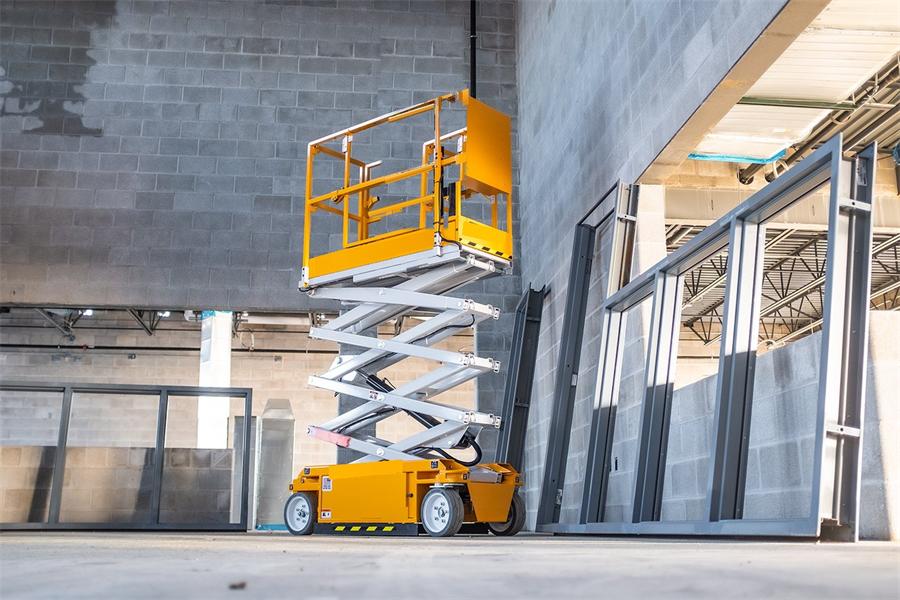
An enquiry for one electric scissor lift could come from a contractor with a single project. It could also come from a rental company testing a new supplier. The quantity looks the same, but the opportunity is different. A successful trial with a rental business can open a conversation about fleet replacement, additional locations and repeat purchases.
For factories trying to develop overseas customers, that distinction deserves attention. Rental companies buy equipment to earn income from it repeatedly. Reaching them requires a different sales conversation from selling a machine to a warehouse owner.
The buyer behind the rental search
Google suggestions for electric scissor lifts include “for sale,” “price,” “rental” and “hire.” These phrases point to different needs. Someone searching “electric scissor lift rental near me” usually wants a local machine for a few days, not an overseas factory shipping a container.
An exporter should not mistake that visitor for a fleet buyer. Rental searches can help identify local operators and the models they offer, but a manufacturer’s English website needs to explain why those operators should consider its equipment.
Independent rental depots, access-equipment distributors with rental divisions and regional fleet operators are potential prospects. Look at their existing ranges, service locations and customer sectors before approaching them. A business renting compact indoor platforms may have little use for a brochure dominated by large outdoor machines.
Start with the territory, then choose the machine
The UK, Australia and the UAE are possible markets to investigate, not an automatic ranking of the best export destinations. Finding rental businesses there is only the beginning. The harder question is whether your factory can support the equipment after delivery.
For each shortlisted country, check the applicable product requirements, import costs, charger compatibility, documentation and availability of service partners. Ask prospective dealers which platform sizes their customers request and which repairs cause delays. A territory with an interested distributor and capable technicians may be more workable than a larger market where you have neither.
Model descriptions also need precision. Platform height and working height are not interchangeable. Stowed dimensions, machine weight, platform capacity and permitted operating conditions should be clear. Indoor and outdoor ratings must follow the specific model’s documentation; the word “electric” does not establish suitability for every site.
These details help an exporter select a useful starting range rather than send every prospect the entire catalogue.
The fleet owner is counting available rental days
A purchase price is easy to compare. The cost of unavailable equipment is less obvious until the machine stops working during a booking.
A fleet buyer needs to know how a fault will be diagnosed, who will repair it and where the replacement part will come from. “Lifetime technical support” is not much help if a technician cannot identify a component or get a clear answer about delivery.
A supplier can make this concrete with an illustrated parts catalogue, model-specific manuals, fault-code guidance and a defined warranty process. Explain which parts a local partner should stock, which require factory supply, and what information is needed to approve a claim. State actual dispatch arrangements rather than promising immediate delivery everywhere.
Battery information needs the same care. Describe the supplied battery and charger, maintenance requirements, replacement availability and the conditions behind any runtime claim. A claim of “all-day operation” without a defined duty cycle gives a fleet manager little to evaluate.
Make a small order useful to both sides
Rather than asking an unfamiliar dealer to commit to a full container, an exporter could propose a limited evaluation order. This is a possible sales approach, not a guarantee that every rental company will accept one.
Agree on what the evaluation will establish: suitability for the intended jobs, transport practicality, documentation quality, technician feedback and support response. Put the configuration, warranty responsibilities and review process in writing. Any inspections or operator training should be handled by qualified people under applicable local requirements.
The English website can prepare that conversation. A clear model page, downloadable specifications, service information and genuine customer references give a fleet manager material to share internally. An enquiry form can ask whether the buyer is a rental operator, distributor or end user, alongside destination country and intended application.
A one-machine enquiry is not automatically a small opportunity. For an electric scissor lift exporter, the useful question is who is buying it, how they plan to use it commercially and what would make them comfortable placing the next order.
electric scissor lift for sale
electric scissor lift price
electric scissor lift rental
electric scissor lift hire