Egg Incubator Exports: Are Kenya and Nigeria Worth Targeting?
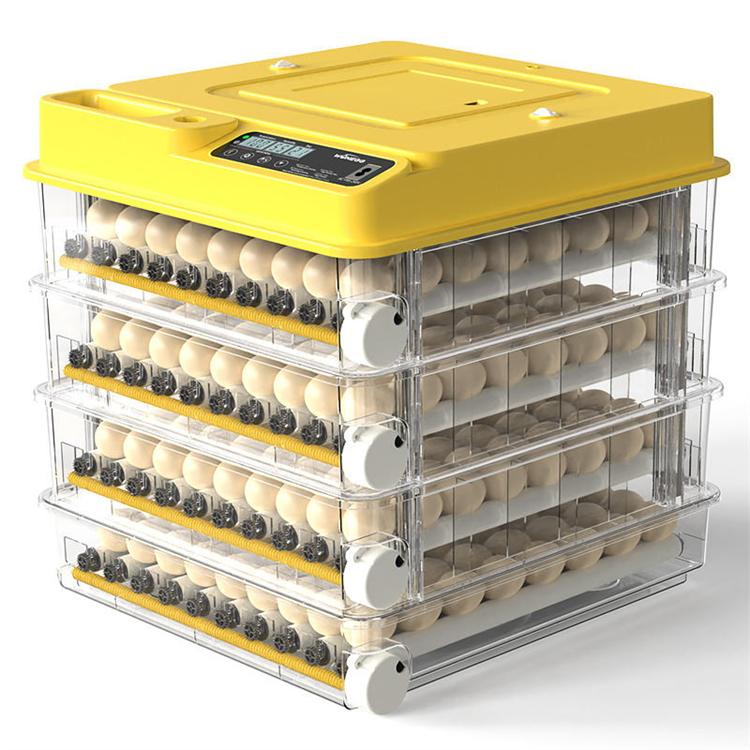
Kenya and Nigeria are worth exploring for egg incubator exporters. Both buy poultry incubation equipment from overseas, and Chinese suppliers already serve buyers in each market. The next decision is commercial: which customers can sell your range at a workable margin and keep it running after delivery?
Google autocomplete includes "egg incubator price in Kenya" and "egg incubator price in Nigeria." These searches offer a useful starting point for looking at local prices, competing products and potential distributors.
Nigeria: a larger market with established Chinese supply
Nigeria imported approximately US$8.22 million of poultry incubators and brooders in 2025, according to World Bank WITS data drawn from UN Comtrade. China supplied about US$6.70 million, roughly 81.5% of the total.
For Chinese exporters, this existing trade provides a starting point for finding importers familiar with sourcing from China. Poultry-equipment distributors, agricultural retailers and hatchery suppliers are useful businesses to investigate.
Imports rose from approximately US$5.27 million in 2024, an increase of about 55.9%. This rebound makes Nigeria worth a closer look for exporters already supplying poultry equipment. Ask prospective dealers which models are moving and what stock they plan to replace. Their answers will help you choose a product range and a realistic opening order.
Kenya: a smaller market with several supply sources
Kenya imported approximately US$925,210 in 2025, down about 10.1% from US$1.03 million in 2024. Imports from China rose to about US$372,210, accounting for 40.2% of the total. Canada and the Netherlands were also significant suppliers by value.
An exporter approaching a Kenyan distributor has a practical question to answer: where does its equipment fit in the distributor's range? Ask about customer budgets, preferred capacities and the service included with competing offers. Use that information to prepare a focused quotation.
The 2025 trade figures use HS 843621, which covers poultry incubators and brooders of different sizes. Match your prospect list to your own equipment: small automatic incubators suit a different sales conversation from larger hatchery systems.
Work backwards from the local selling price
A competitive export offer starts with the customer's economics. Take the local selling price and allow for freight, import charges, delivery, warranty support and the distributor's margin. The amount left helps establish whether your factory quotation fits.
Give the dealer packing dimensions, shipment quantities and clear delivery terms. Quote replacement sensors, fans and turning motors alongside the machines so the buyer can plan a small service stock.
Discuss payment arrangements while agreeing on the order. Identify the purchasing company and decision-maker, set payment milestones and confirm receipt of funds at the agreed stages. This gives both sides a clear schedule for production and shipment.
Give the dealer a range it can explain
A dealer selling an automatic egg incubator needs to explain exactly what the machine does. List the functions separately: automatic turning, temperature control, humidity control and alarms. State the egg type and tray arrangement used for the capacity figure.
For battery-supported models, show the required battery specification, connection method and supplied accessories. Include operating instructions and the conditions used in hatch-rate tests. Dealers can use these materials to answer customer questions and train their staff.
Nigeria offers the larger recorded import market of the two and a strong rebound in 2025. Kenya offers a smaller market where imports from China increased despite a decline in total imports. Begin with distributors whose customers match your equipment. A conversation about selling prices, service parts and the next purchasing cycle will tell you where to put your sales effort.
egg incubator price in kenya
egg incubator price in nigeria
egg incubator machine
automatic egg incubator