Custom Water Bottle Manufacturer: Why Bulk Orders Fail After a Perfect Sample?
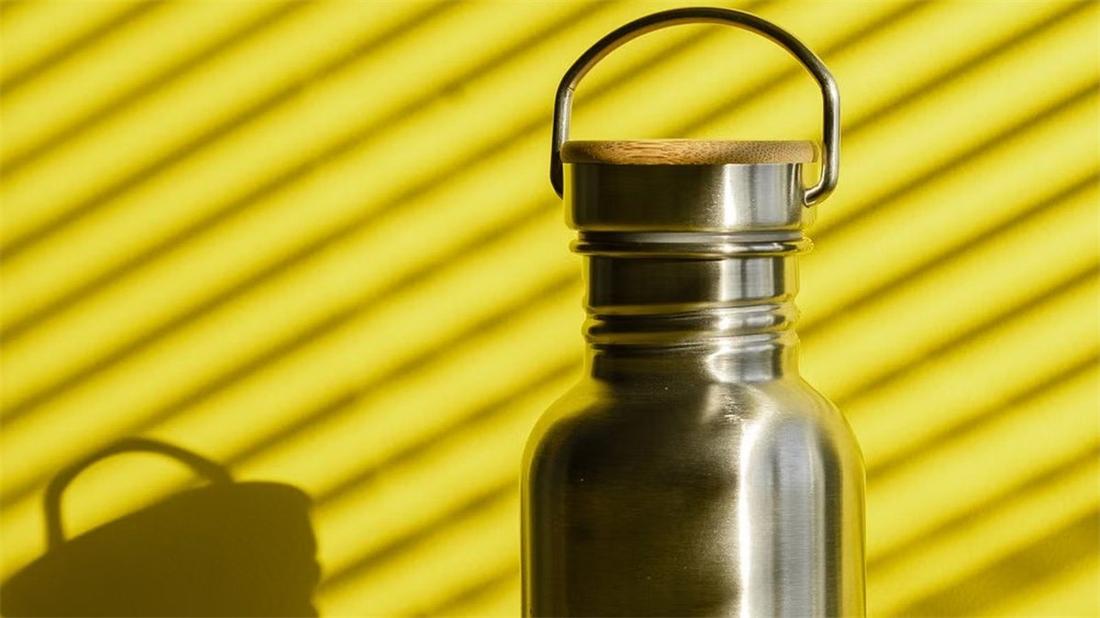
A custom water bottle sample can arrive looking flawless. The color is right, the logo is sharp, the lid closes smoothly and the bottle stays cold. The buyer approves it and expects the bulk order to be a larger copy.
Then the cartons arrive. A few lids leak. The powder coating varies between batches. Some logos sit off-center. One retailer reports a metallic smell, while another finds dents after parcel delivery. None of these faults appeared on the buyer's desk.
This is a costly misunderstanding in drinkware sourcing. A sample proves that a factory can make one acceptable unit, not that it can repeat the same material, assembly, finish and inspection across 5,000 units. Choosing a custom water bottle manufacturer means turning that sample into a controlled production specification.
The sample needs a paper trail
A sales sample may come from stock or a managed trial run. Bulk production may use another material lot, shift, printing line or subcontractor. Even an honest supplier can interpret "same as sample" differently.
The approved bottle should become a signed reference, backed by a bill of materials and final artwork. Record the steel grade, weight range, lid resin, silicone seal, coating, Pantone color, logo process, packaging and test methods.
Cosmetic limits also belong in writing. How far may a logo move from the center line? What counts as a visible scratch? Is a small color difference between lid and body acceptable? Without agreed limits, the factory may call something normal variation while the buyer calls it a defect. The record gives production workers, inspectors and the buyer one version of the product.
"304 stainless steel" is only the beginning
Many listings lead with 304 stainless steel, or 18/8. That matters, but performance also depends on thickness, forming, welding, cleaning and assembly. A poorly controlled 304 bottle can be unreliable.
Ask which components use the stated grade. The liner, shell, base and lid hardware may differ. When 316 is quoted, confirm whether it covers only the liner or the whole bottle. A higher grade does not correct weak workmanship.
A steel supplier certificate is useful. On a large order, independent testing can confirm the finished product. An odor and taste check after washing is also sensible because polishing residue, oil or poor cleaning can cause complaints even when the alloy is correct.
Insulation claims need a defined test. "Keeps cold for 24 hours" means little without starting temperature, fill level, room temperature and an acceptable final result. Two suppliers can print the same claim while using different test conditions.
Most returns begin above the bottle body
Lids, straws and seals often create more returns than the steel body. A cap can pass a quick upright check and still leak inside a backpack. A straw lid may loosen after repeated use. Silicone rings can pick up odor, sit incorrectly or disappear during assembly.
The test has to match the promise. A commuter bottle must remain dry when inverted and shaken; a cup-holder tumbler may only be splash-resistant. Calling both "leakproof" creates preventable complaints.
Buyers should confirm the plastic resin, silicone specification and whether replacement lids can be reordered. Drop testing also needs a stated height, fill condition, impact surface and pass criterion. A strong bottle can still arrive damaged when packaging made for pallet shipping is used in an e-commerce parcel network.
Decoration is part of product quality
Powder coating, screen printing, laser engraving, heat transfer and sublimation create different finishes and costs. The right option depends on the artwork, order size and intended use.
A digital mock-up cannot replace a decorated sample. Screen colors do not show how a Pantone shade will look on curved metal. Fine lettering may fill in, a wide design may distort and engraving can reveal an unexpected tone.
Dishwasher and scratch-resistance claims should cover the decorated product, not just bare steel. Buyers should request the test method rather than treating "dishwasher safe" as a universal certificate.
Color-lot variation appears during longer runs. Brands selling matching bodies and lids need an approved tolerance and inspection under consistent light. Both parts may function perfectly but look like they came from different sets.
Compliance starts with the destination
No single report makes a bottle compliant in every country. In the European Union, food-contact products sit under Framework Regulation (EC) No 1935/2004 and good manufacturing practice requirements. Plastic lids and other components may need their own supporting documents and tests. Labels, packaging and importer obligations still depend on the market.
US buyers commonly request evidence that food-contact materials meet applicable FDA requirements. California sales may also require a Proposition 65 exposure assessment rather than a vague "Prop 65 certificate." Children's products can bring additional rules, so changing the target age is more than an artwork decision.
Some factories advertise "LFGB certified" as if one report covers every bottle. Read the report itself and check the tested model, components, colors, date and laboratory. A result for an uncoated bottle does not automatically support a painted bottle with a different cap.
Testing should be planned before mass production. Waiting until the container is ready gives the importer little negotiating room and can turn a solvable issue into a missed season.
One bestseller will not suit every market
North American programs often favor large tumblers, handles, straw lids and cup-holder shapes. These features use more carton space and create more components to inspect. Retail needs shelf-ready packs, while online sellers need stronger parcel packaging.
In many European markets, compact 500 ml and 750 ml bottles suit commuting and cycling. Buyers may put more weight on a leakproof cap, replaceable parts and restrained packaging. Environmental claims need evidence; "eco-friendly" should not rest only on reusability.
Hot-climate markets may value larger capacity and dependable cold retention. Local-language warnings, importer details and packaging rules change by country and channel, so a factory's English box is a starting point rather than a finished export package.
Product-market fit comes before logo placement. A handled tumbler made for car travel may frustrate a commuter, while a narrow bottle disappoints customers who expect ice cubes and easy cleaning.
The cheapest quote may not produce the lowest landed cost
The unit price is only one line in the order. Tooling, samples, testing, inspection, spare lids, packaging, freight, duty and fulfillment all affect landed cost. Drinkware can consume surprising container space when handles or gift boxes prevent efficient packing.
Compare quotations using the same specification and Incoterm. A lower offer may exclude boxes, use a lighter body or include fewer print colors. Carton dimensions matter because a small packing change can alter freight and fulfillment fees across the whole shipment.
For a new design, a pilot order can expose problems before the volume becomes painful. Pre-shipment inspection should follow agreed defect classes and sampling rules. Leakage, unsafe material and a small cosmetic mark cannot share the same acceptance limit.
A reliable manufacturer can explain its material controls, preserve an approved construction, report changes and trace a complaint to a production lot. Refusal to identify materials, reports that cannot be matched to the quoted model or an unapproved lid change are stronger warning signs than a polished showroom.
The perfect sample shows what the product can become. The profitable order begins when its important features can be measured, repeated and verified at scale. That is how a good-looking bottle becomes drinkware a brand can reorder with confidence.
custom water bottle manufacturer
stainless steel water bottle manufacturer
custom stainless steel water bottles
how to choose a water bottle factory