Custom Hoodie Manufacturer: What Overseas Buyers Check?
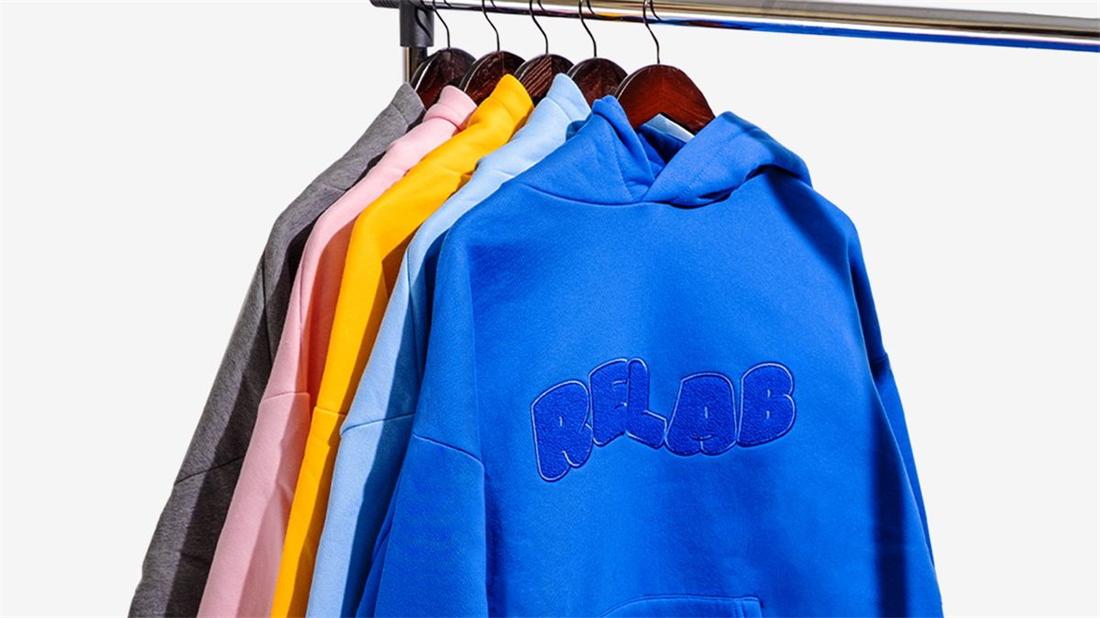
A buyer searching for a custom hoodie manufacturer may be building a streetwear label, ordering university merchandise, supplying workwear or testing a small online collection. The keyword is the same, but the product requirements are not.
This is why a factory can offer a competitive price and still lose the order. The buyer may be unable to confirm the fit, shrinkage, decoration quality or delivery plan. Another supplier with a higher quotation can win simply because its information is clearer and easier to trust.
Custom hoodies remain a strong export category, but the market is not one race toward the lowest unit price. Destination, sales channel, fabric, decoration and order size all change what buyers consider valuable. Exporters that choose a defined market and explain the product in the buyer's own language are more likely to receive inquiries they can actually convert.
Large Markets Want Different Products
Trade data cannot isolate every custom hoodie order. Cotton hoodies are generally included in HS 611020, which also covers cotton pullovers, cardigans and similar knitted garments. The figures are useful market signals, but they should not be described as hoodie-only sales.
World Bank WITS data for 2024 shows the United States importing about USD 7.41 billion under this category. The European Union recorded approximately USD 5.40 billion as a bloc. Germany imported around USD 2.39 billion, followed by Japan at USD 1.44 billion and France at USD 1.34 billion.
The United States offers scale through streetwear brands, promotional distributors, sports organizations and creator merchandise businesses. It also brings strong price competition and demanding delivery expectations. European buyers often pay closer attention to fibre composition, chemical compliance, traceability and the evidence behind environmental claims.
British buyers may focus on mixed-size orders, decoration durability and repeat-order colour consistency. Japanese buyers often expect precise finished measurements, neat sewing and careful packaging. Australia has a different seasonal calendar, which can create production opportunities for factories that plan capacity instead of treating every country as one market.
Import value alone does not reveal the easiest destination. A factory should compare those markets with its real strengths: heavyweight streetwear, small-batch embroidery, promotional basics, certified materials or stable repeat production.
GSM Does Not Prove Hoodie Quality
Many product pages promote 280 GSM, 350 GSM or 400 GSM as if fabric weight alone proves quality. It does not. A heavyweight hoodie can still shrink, pill, twist after washing or lose colour.
Buyers need the complete specification: fibre composition, yarn, knit structure, finishing method and test conditions. Around 280 GSM can suit mainstream casualwear and promotional clothing. Fabrics around 320 to 360 GSM are common in premium casualwear, while fabric above 400 GSM can support a structured streetwear position. Heavier fabric also raises freight weight and drying time.
Brushed fleece provides a soft, warm inner surface. French terry has loops inside and is usually more breathable. Neither is automatically better. The choice depends on climate, brand position and intended use.
Composition also affects printing. Polyester can improve shape retention and lower cost, but it can create dye-migration problems with certain inks. A factory should test the actual fabric and colour before promising the same result for every cotton-polyester blend.
The phrase “pre-shrunk” is not enough. A useful report states the wash temperature, drying method and dimensional change at critical measurement points. The physical sample should also match the quoted bulk fabric. If a substitute is used during sampling, the buyer needs to know before approval.
Fit and Decoration Decide Whether Buyers Reorder
Two factories can use similar fabric and produce very different hoodies. Shoulder width, chest ease, sleeve volume, hood depth, cuff tension and body length create the fit. Labels such as regular, oversized or European size cannot replace a measurement chart.
The buyer and factory should agree on where each point is measured and what tolerance is acceptable. A medium sample may look correct while the smallest and largest sizes are poorly graded, so a size set can prevent expensive mistakes before bulk cutting.
Decoration creates another layer of risk. Screen printing, embroidery, puff printing, direct-to-garment printing and heat transfer have different cost structures and limitations. Screen-printing cost depends on colour count, print area, screens and ink. Embroidery depends on stitch count, density, backing and placement. Heavy embroidery can distort soft fabric if the design is not digitized correctly.
Puff print is popular in streetwear, but expansion and curing must be controlled. DTG and transfer methods can support detailed artwork or smaller runs, although hand feel, wash durability and fabric compatibility still need testing.
A quotation should refer to the approved artwork, size and location. “Logo included” does not tell the buyer whether setup, digitizing, labels, packaging and repeat-order costs are covered. This is often where an apparently profitable order loses margin.
Low MOQ Is More Than One Number
When a buyer requests a low MOQ, the limit may come from fabric dyeing, pieces per colour, decoration setup, size assortment or total order value. A factory may accept a small order with stock fabric but require a larger quantity for a custom colour.
Clear sampling terms matter for the same reason. A development sample checks the idea, a fit sample checks measurements, and a pre-production sample confirms materials and workmanship. Calling every garment a final sample hides decisions that have not been approved.
Lead time should begin from a defined event, such as fabric approval, deposit, artwork confirmation or pre-production sample approval. Sewing capacity is only part of the schedule. Dyeing, embroidery, printing, labels, inspection and packing can become the real bottlenecks.
Buyers also compare landed cost, not only the factory price. Heavyweight and oversized hoodies reduce the number of pieces per carton. Special boxes and elaborate packaging may support a premium brand, but they also increase freight volume. Explaining these trade-offs can be more valuable than offering the lowest FOB quotation.
Compliance Claims Need Evidence
Adding familiar certification logos to a website does not prove that a product is compliant. The document must cover the relevant factory, material, process or transaction.
For the United States, textile labels generally need correct fibre content, country of origin and responsible company identification. Children's garments can introduce additional safety obligations. In the EU, buyers may ask about fibre labelling, REACH-restricted substances, traceability and the General Product Safety Regulation.
Ordinary fashion hoodies do not generally require CE marking. Protective or high-visibility garments may fall under another framework, but placing a CE logo on normal apparel does not make it more compliant.
Claims such as organic, recycled or carbon neutral also need evidence. Testing may cover fibre composition, colourfastness, dimensional stability, pilling, seam strength, print adhesion or restricted substances, depending on the order. The quotation should say what is included and what requires a third-party laboratory.
One Generic Product Page Cannot Serve Every Buyer
Search behaviour around this category is already segmented. Phrases such as “custom hoodies wholesale,” “wholesale custom embroidered hoodies” and “custom printed hoodies wholesale” reflect different products and purchasing concerns.
A website that places every fabric, fit and decoration on one page called “Custom Hoodies” forces both Google and the buyer to guess what the factory actually does. Heavyweight streetwear hoodies, embroidered private-label hoodies and printed promotional hoodies can have separate pages when the products, processes and buyer questions are genuinely different.
This does not mean producing hundreds of nearly identical pages by changing a colour or country name. Each page should explain a real capability, including fabric options, MOQ, sampling, quality checks and limitations. Market articles are useful only when they contain real local information rather than the same text with a different country inserted.
Photographs should provide evidence as well as visual appeal. Fabric close-ups, measurement methods, embroidery backs, print surfaces, wash-test results and packing trials answer questions that model photographs cannot.
The custom hoodie market is crowded, but suppliers are not identical. Buyers still need factories that can control fabric, fit, decoration, compliance and repeatability. A manufacturer that makes those capabilities visible before the first email has already answered the question behind the search: can this factory deliver the product my market expects?
custom hoodie manufacturer
custom hoodies wholesale
wholesale custom embroidered hoodies
custom printed hoodies wholesale