Apple Foldable iPhone in 2026?
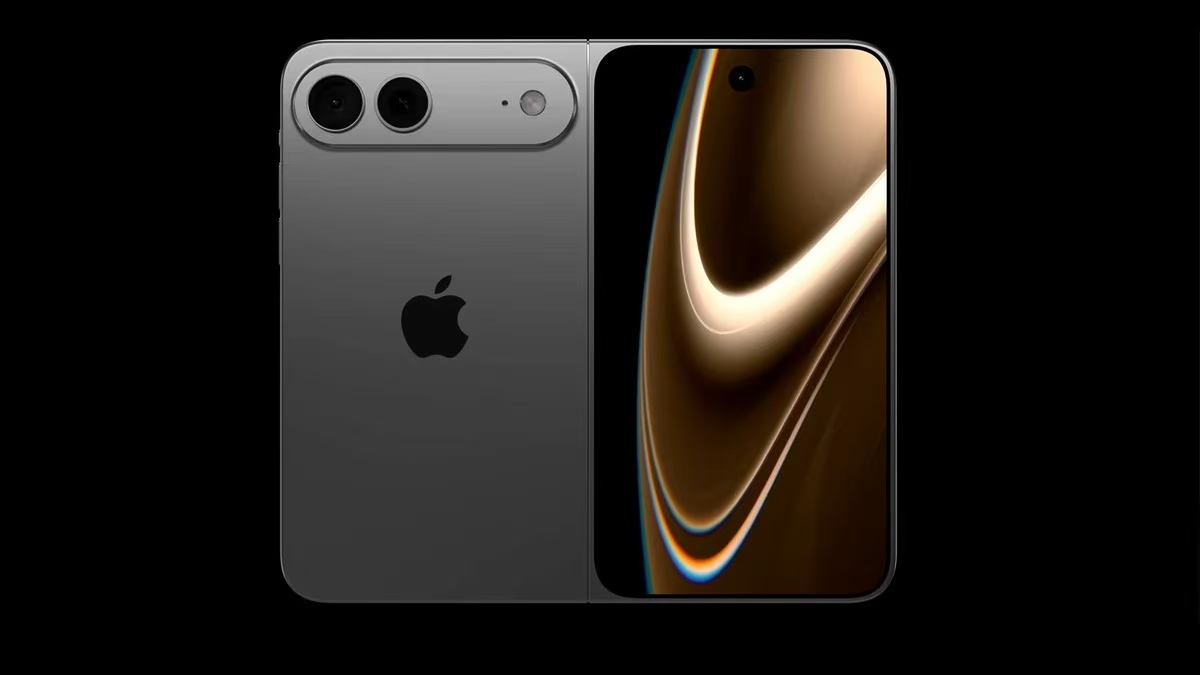
For years, the idea of a foldable iPhone sounded like one of those rumors that never quite disappeared. Every few months, a new patent would surface, a new supply chain report would make headlines, and Apple fans would start asking the same question again: when will Apple finally release a foldable device?
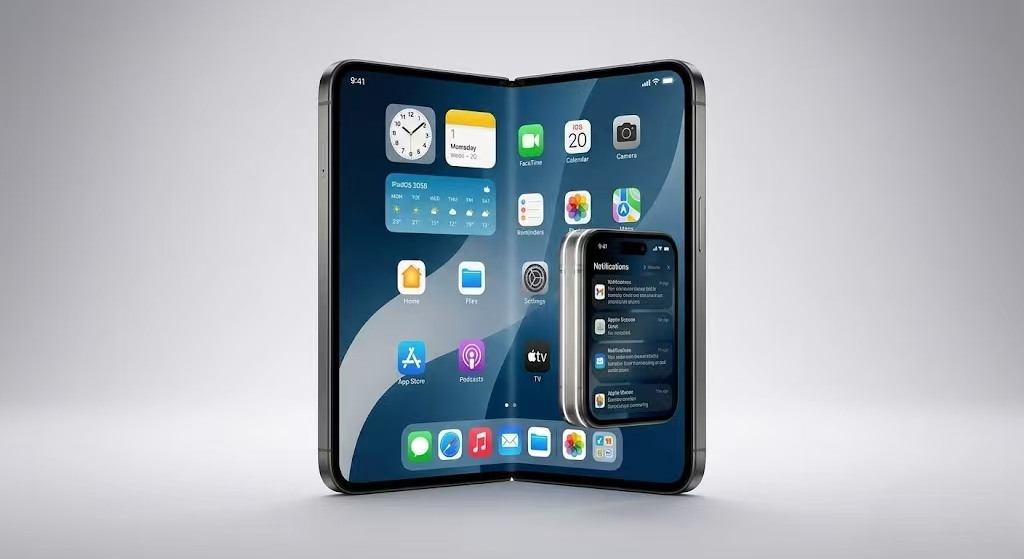
Now, that question feels more serious than ever. A growing number of reports from analysts, supply chain sources, and major tech media outlets suggest that Apple may launch its first foldable iPhone in 2026, most likely during the fall product season. While nothing has been officially confirmed by Apple, the timeline is starting to look more realistic than speculative.
So, is the Apple foldable really coming in 2026? And if it does, what should users expect from Apple’s first entry into the foldable market?
Why Apple Has Waited So Long?
Apple is not usually first. It rarely rushes into a category just because competitors got there earlier. Instead, Apple tends to wait until the technology, manufacturing, and user experience are mature enough to support a product that feels polished.
That strategy explains why Apple has stayed out of the foldable phone space while brands like Samsung, Huawei, Motorola, and Google have spent years experimenting with different designs. Foldables have improved dramatically, but the category still has obvious weaknesses: visible creases, durability concerns, hinge issues, software inconsistency, and high prices.
For Apple, those problems are not small details. They are product-defining flaws.
If Apple launches a foldable iPhone, it will likely do so only when it believes it can solve, or at least meaningfully reduce, the issues that have limited broader foldable adoption.
Why 2026 Is Starting to Look Likely?
Recent reports have increasingly pointed to late 2026 as the most probable launch window for Apple’s first foldable device. Industry analysts have suggested that Apple’s supply chain is moving closer to production planning, especially around display sourcing and hinge engineering.
There are a few reasons why the 2026 timeline makes sense:
Display technology is improving and becoming more reliable for premium foldable devices.
Apple’s suppliers appear to be preparing for more advanced foldable component production.
The market is more mature now than it was three or four years ago.
Apple may be waiting for a product that can feel less like a niche experiment and more like a mainstream premium iPhone.
In other words, 2026 is not just a rumor date. It fits Apple’s long-term product logic.
That said, readers should remember one important point: Apple has not officially announced a foldable iPhone yet. Any launch timing remains based on industry reporting and market expectations rather than public confirmation.
What the Foldable iPhone Might Look Like?
This is where rumors get especially interesting.
Most reports suggest Apple is testing a book-style foldable design, rather than a smaller clamshell phone like the Galaxy Z Flip. That means the device would likely open like a book, with a larger interior display aimed at productivity, media consumption, gaming, and multitasking.
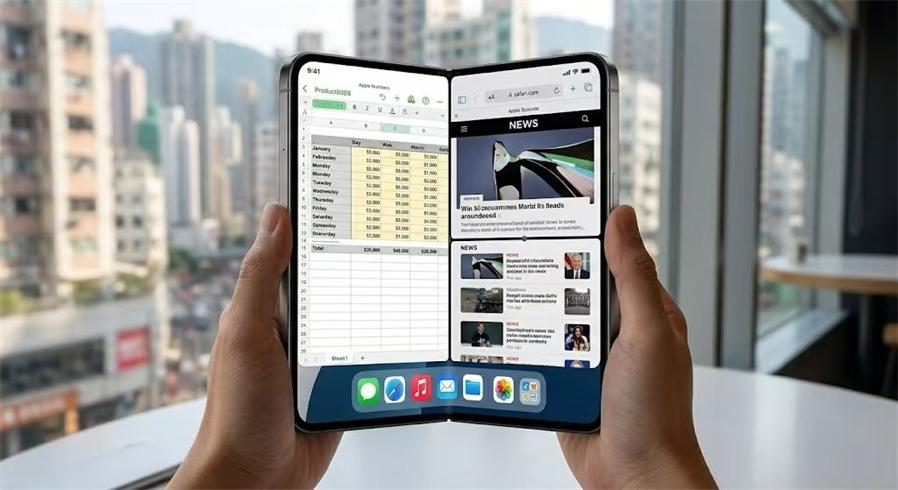
If that direction is accurate, Apple’s first foldable could feel like a hybrid between an iPhone and a compact iPad mini. Closed, it would function like a standard premium smartphone. Open, it could provide much more screen space for reading, editing, watching video, or running split-screen apps.
There have also been rumors that Apple is paying special attention to one issue above all others: the display crease.
A nearly invisible crease would be a major selling point. Many foldable phones still show a noticeable line where the display bends, and that remains one of the main reasons some users hesitate to switch. If Apple can minimize the crease better than competitors, it could immediately position the foldable iPhone as the most refined device in the category.
The Features Apple Needs to Get Right
A foldable iPhone cannot succeed on novelty alone. The market has moved beyond the “wow” factor of a screen that folds. For Apple to make a real impact, several areas will matter more than hype.
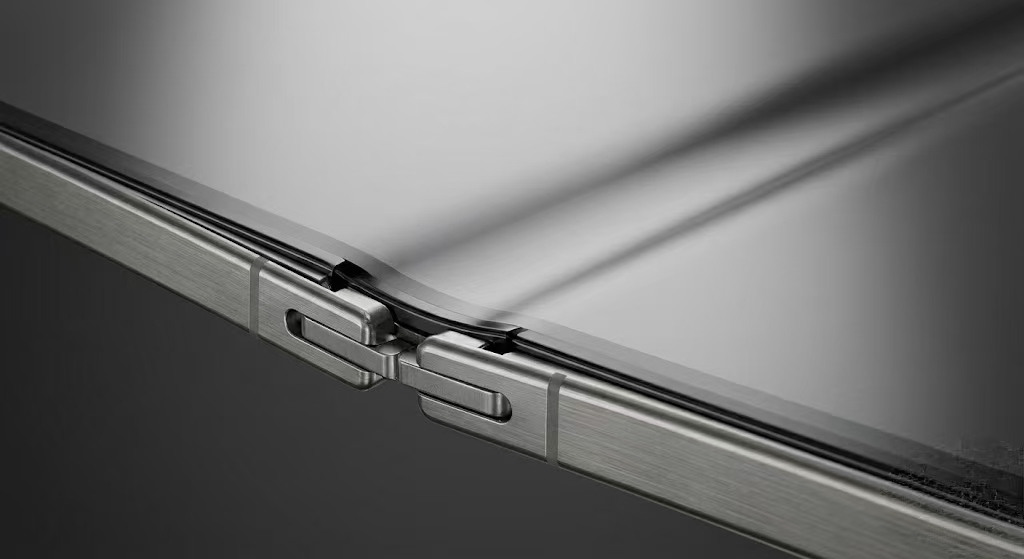
1.Durability
This may be the single most important factor. Apple users expect long-term reliability, and foldables have historically raised concerns about hinge wear, dust resistance, and display fragility. If Apple cannot offer strong durability, many mainstream buyers will stay away.
2. Battery Life
Larger and more complex displays often create battery challenges. Apple will need to balance thinness, power efficiency, and real-world battery performance. If the foldable iPhone feels compromised compared with a regular Pro model, that could limit adoption.
3. Software Experience
This is where Apple may have a real advantage. Foldables need software that takes full advantage of their larger screens. Multitasking, app continuity, split-screen workflows, and adaptive UI design all matter. Apple’s control over both hardware and software could help it deliver a smoother experience than many Android competitors.
4. Thickness and Weight
A foldable phone that is too bulky may attract attention, but not daily users. Apple is known for hardware refinement, so expectations will be very high. The company will need to make the device feel practical, not just futuristic.
5. Camera Quality
Premium Apple buyers care about cameras. If the foldable iPhone sacrifices too much in image quality or camera flexibility, some users may still prefer traditional flagship models like the iPhone Pro series.
Who Will Buy It First?
The first wave of buyers will likely include three groups:
Apple enthusiasts who want the newest form factor
Tech early adopters who have been waiting for Apple to enter the foldable segment
Productivity-focused users who want more screen space without carrying both a phone and a tablet
However, mainstream iPhone users may take longer to upgrade. Foldable devices are still expected to carry premium pricing, and Apple’s first-generation hardware is unlikely to be cheap.
In fact, pricing could be one of the biggest barriers. Many analysts expect Apple’s foldable to sit well above the standard iPhone Pro lineup. If that happens, the first model may be positioned more as a prestige product than a mass-market bestseller.
Will Apple Change the Foldable Market?
Possibly — but not automatically.
Apple’s arrival would give the foldable category something it has lacked for years: mainstream consumer attention at a global scale. Foldables already exist, but for many everyday users, they still feel experimental or niche. Apple has the ability to normalize a category simply by making it part of the broader premium smartphone conversation.
That said, Apple will not redefine the market unless the product itself feels meaningfully better. A foldable iPhone cannot just be “Apple’s version” of what competitors already offer. It needs a clear reason to exist.
That reason could be:
a more durable hinge
a less visible crease
stronger app optimization
better battery efficiency
tighter integration with the Apple ecosystem
If Apple combines those strengths into one device, then yes, it could reshape how consumers think about foldables.
What the 2026 Launch Could Mean for Apple’s Product Strategy?
A foldable iPhone would not just be another device. It could represent a broader shift in Apple’s hardware roadmap.
For years, Apple has segmented its lineup through size, camera systems, and chip performance. A foldable device would introduce a new kind of segmentation based on form factor and usage mode. It could sit above the Pro Max as an ultra-premium model, or even create a new category between the iPhone and iPad.
That matters because the smartphone market has become increasingly mature. Annual upgrades no longer feel dramatic for many consumers. A foldable iPhone would give Apple a way to generate excitement in a market where innovation often feels incremental.
So, Is Apple Releasing a Foldable in Fall 2026?
Based on current industry reporting, fall 2026 looks like the most credible rumor window so far. It is not confirmed, but it is far more believable than many earlier predictions.
If Apple does launch a foldable iPhone in 2026, it will likely be one of the most watched hardware releases of the year. Expectations will be extremely high, not only because it is Apple’s first foldable, but because the company has waited so long to enter the category.
That delay may ultimately work in Apple’s favor.
By waiting, Apple has been able to study where other foldables succeeded, where they disappointed, and what users still want from the format. If the company can deliver a premium foldable experience with strong durability, polished software, and a less noticeable crease, its first foldable iPhone could do more than join the market — it could elevate it.
Until Apple makes it official, the foldable iPhone remains a rumor. But for the first time in years, it feels like a rumor that may finally be getting close to reality.
苹果折叠屏什么时候发布
苹果折叠iPhone 2026
苹果折叠手机最新消息
苹果首款折叠屏价格预测
苹果折叠屏渲染图
Apple foldable iPhone release date
Apple foldable iPhone 2026 rumors
Apple fold phone latest news
Apple foldable iPhone concept render
Will Apple release a foldable iPhone